Why the Combination of Vitamin D3 and K2 Matters
Reviewed by MedLab, Diploma in Medical Laboratory Science (Lebanon)
Why the Combination of Vitamin D3 and K2 Matters
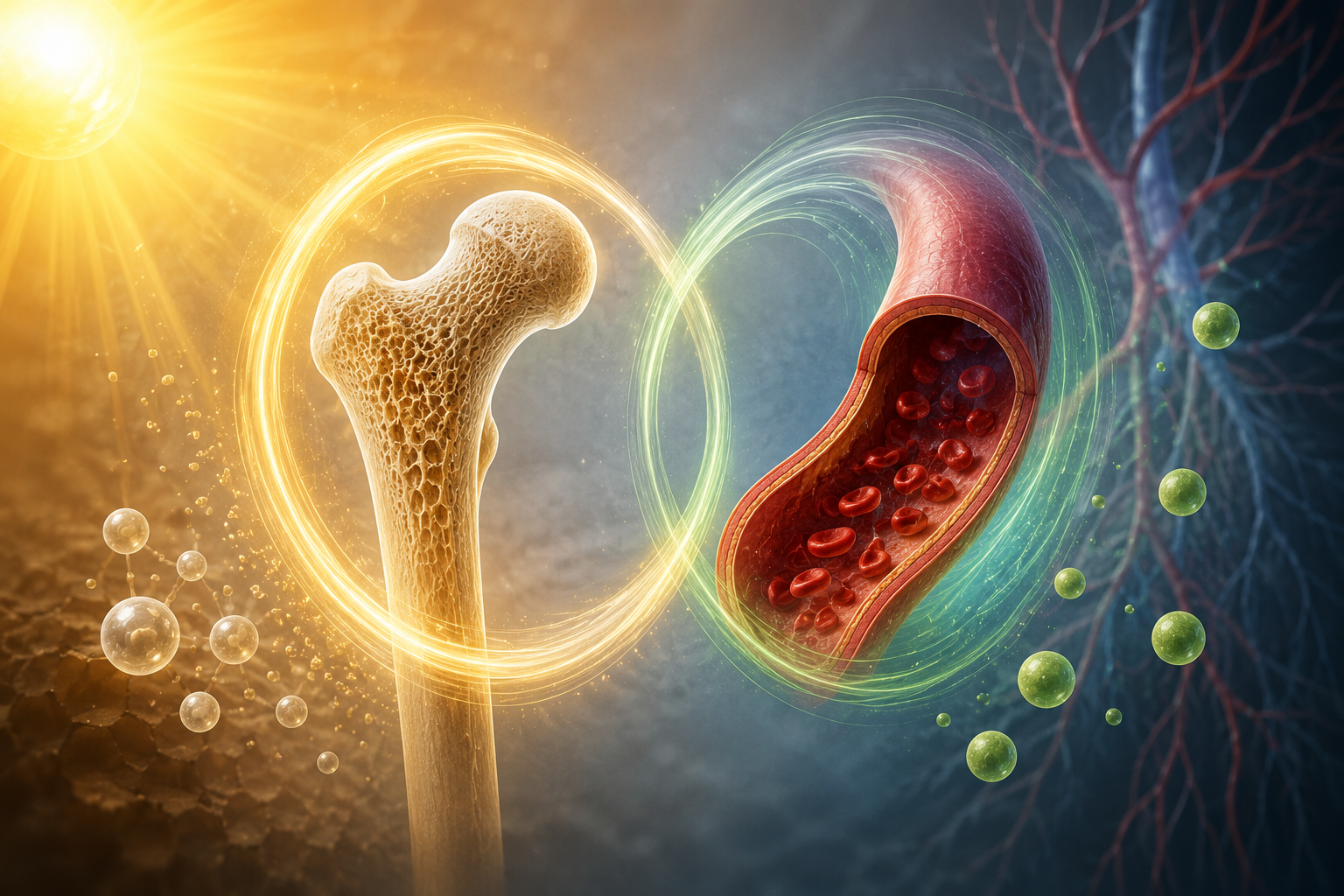
What vitamin D3 may do
Vitamin D3 may support the body in absorbing calcium from food. In lab reports, vitamin D is usually shown as the 25(OH)D value, which is a common vitamin D blood test. This value can give hints about vitamin D status. When the body absorbs more calcium, it also raises the question of how calcium is handled and guided afterward.
What vitamin K2 may add
Vitamin K2 may help activate certain body proteins that act like “helpers.” Two well known ones are osteocalcin and matrix Gla protein. These helpers may support the body in placing calcium into bones and teeth, instead of leaving it in places where it is not as helpful. This is one reason why many texts mention vitamin D3 together with vitamin K2.
Why people talk about taking them together
If vitamin D3 supports calcium absorption, vitamin K2 may support calcium direction and balance. This does not promise a specific outcome, but it is a reasonable teamwork idea. For that reason, some people who use vitamin D3 supplements also look for K2, especially when they plan to use them for a longer time. Still, diet, lifestyle, and personal differences matter a lot.
Lab values that can give clues
For vitamin D, 25(OH)D is the most common marker. For vitamin K, there are markers too, but they are less common in routine testing. Also, a single number rarely tells the full story. Lab values can offer hints, yet they should be viewed together with factors like sun exposure, food choices, and overall health context.
Food and daily life as a base
Vitamin D can be made in the skin with sunlight, and it is also found in some foods. Vitamin K2 may be found in fermented foods and some animal based foods. A balanced diet can support a good base. Whether someone should add supplements is an individual topic and should not be decided from one fact alone.
Disclaimer: This article is for information only and does not replace medical advice. It contains no diagnoses, no cure claims, and no treatment instructions.
Summary
25(OH)D is the most common vitamin D lab marker, while vitamin K markers are less common in routine care.
Sunlight, diet, and personal factors strongly influence vitamin status, so one-size-fits-all advice is often not helpful.
Sources
- NIH Office of Dietary Supplements: Vitamin D and Vitamin K Fact Sheets
- EFSA scientific opinions on vitamin D and vitamin K
- Public health and laboratory references on 25(OH)D as a standard marker