How Iron Bisglycinate Can Improve Iron Absorption
Reviewed by MedLab, Diploma in Medical Laboratory Science (Lebanon)
How Iron Bisglycinate Can Improve Iron Absorption
Why iron matters in the body
Iron is a nutrient your body uses for many daily tasks. One well known role is helping move oxygen through the blood. That is why people often look at lab markers like ferritin and hemoglobin. These numbers can give hints about iron stores and iron status. Still, they do not always tell the full story on their own, because inflammation and other factors can change results.
What iron bisglycinate is
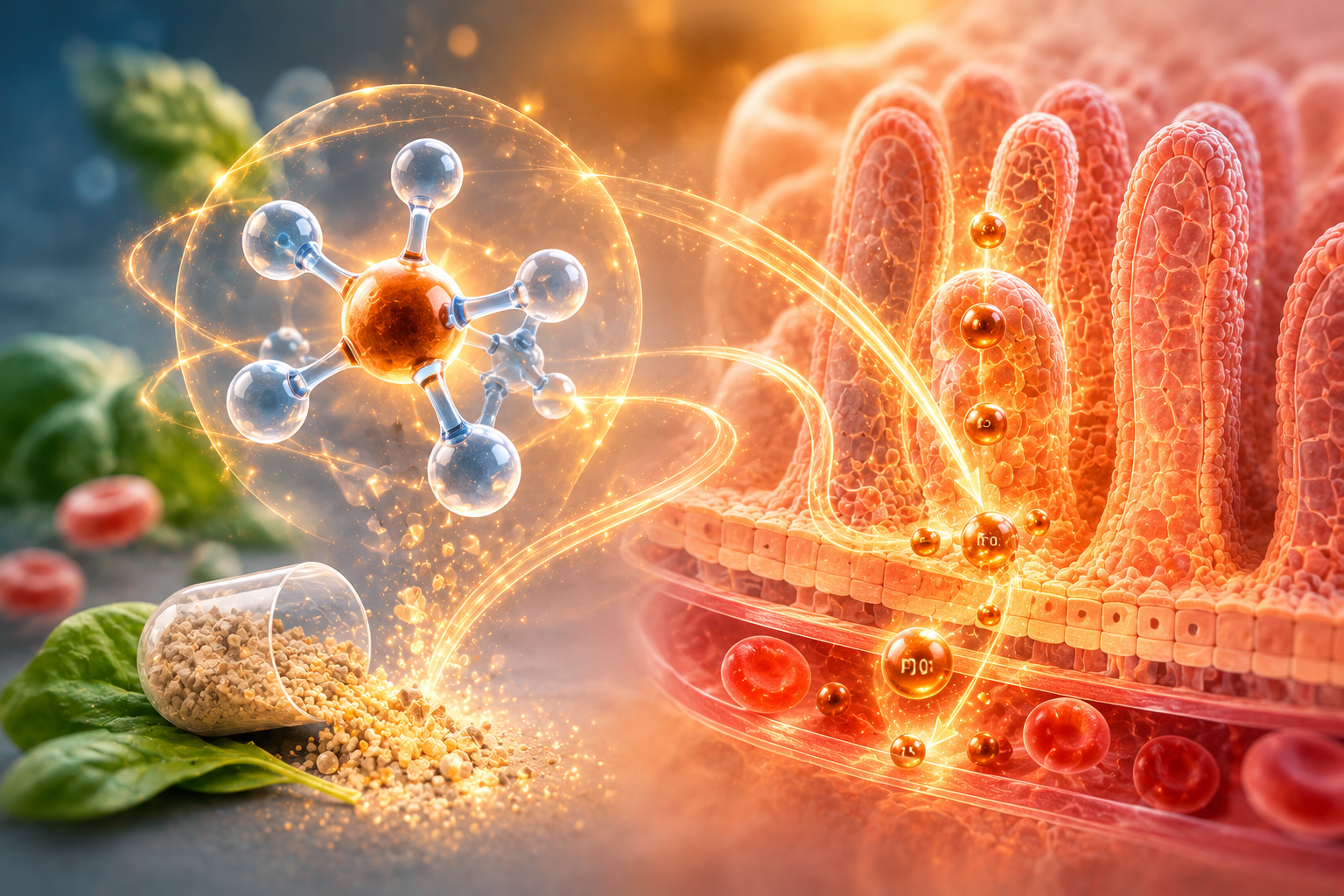
Iron bisglycinate is a special form of iron. The iron is attached to two small protein building blocks called glycine. Many labels call this “chelated iron”. The basic idea is simple. This bond may help keep iron more stable in the stomach and may help it pass into the gut in a way that supports iron absorption. It will not work the same for everyone, but it can be a helpful option for some people.
Why many people find it easier on the stomach
Some common iron supplements can irritate the stomach and gut. People may notice nausea, cramps, constipation, or a heavy feeling. With iron bisglycinate, this can happen less often, because the iron may be less “free” while it travels through the digestive system. This is not a promise, because dose, timing, and personal sensitivity still matter.
Everyday factors that can change absorption
Things that may help
Vitamin C can support iron uptake. This could be fruit, vegetables, or a drink that contains vitamin C with a meal. Food timing can also matter, because iron can compete with other nutrients for absorption.
Things that may reduce absorption
Coffee and black tea around the same time can lower absorption for some people. Very calcium rich foods taken together can also make a difference. This does not mean you must avoid them, but spacing them out may help.
Lab markers often discussed with iron
In the lab, ferritin and hemoglobin are commonly reviewed. Sometimes transferrin and transferrin saturation are added for a clearer picture. It also helps to note when the blood was drawn and whether there are signs of inflammation, because that can shift some values.
Disclaimer
This article explains lab basics and general science about iron forms. It does not provide a diagnosis or treatment advice and does not replace medical care. If you feel unwell or are unsure about supplements, ask a qualified clinician to review your situation.
Summary
Many people tolerate it better in the stomach and gut, but effects vary.
Ferritin and hemoglobin can offer clues, yet they need context for interpretation.
Sources
Hershko C, Camaschella C. How I treat unexplained refractory iron deficiency anemia. Blood. 2014.
NIH Office of Dietary Supplements. Iron Fact Sheet for Health Professionals. (web source)
EFSA. Scientific opinions on iron related health claims. (web source)